
In a significant shift impacting global markets, oil prices dropped while stock indices climbed following President Donald Trump’s assertion that the conflict with Iran could conclude soon, potentially reopening the Strait of Hormuz to international passage if Tehran reached an agreement with Washington. Trump expressed on social media that assuming Iran complies with previously discussed terms—a prospect he acknowledged as uncertain—the renowned operation “Epic Fury” would end, and the “highly effective Blockade” would open the Strait of Hormuz to all, including Iran. He warned, however, that without a deal, military actions would intensify beyond previous levels.
The backdrop to these developments includes Trump’s decision to temporarily halt “Project Freedom,” a US-led initiative safeguarding vessels traversing the strategically critical strait, which accounts for about 20% of the world’s oil flow. Since Iran’s blockade began in late February, the global energy sector has faced disruptions, leading to soaring oil prices. Trump’s move to pause the operation aims to provide a diplomatic window for finalizing an agreement with Tehran, though he affirmed that the blockade on Iranian ports would persist. In response, Iran’s Revolutionary Guards’ Navy indicated that safe passage through the strait would resume with the cessation of US threats, although details of new procedures were not disclosed.
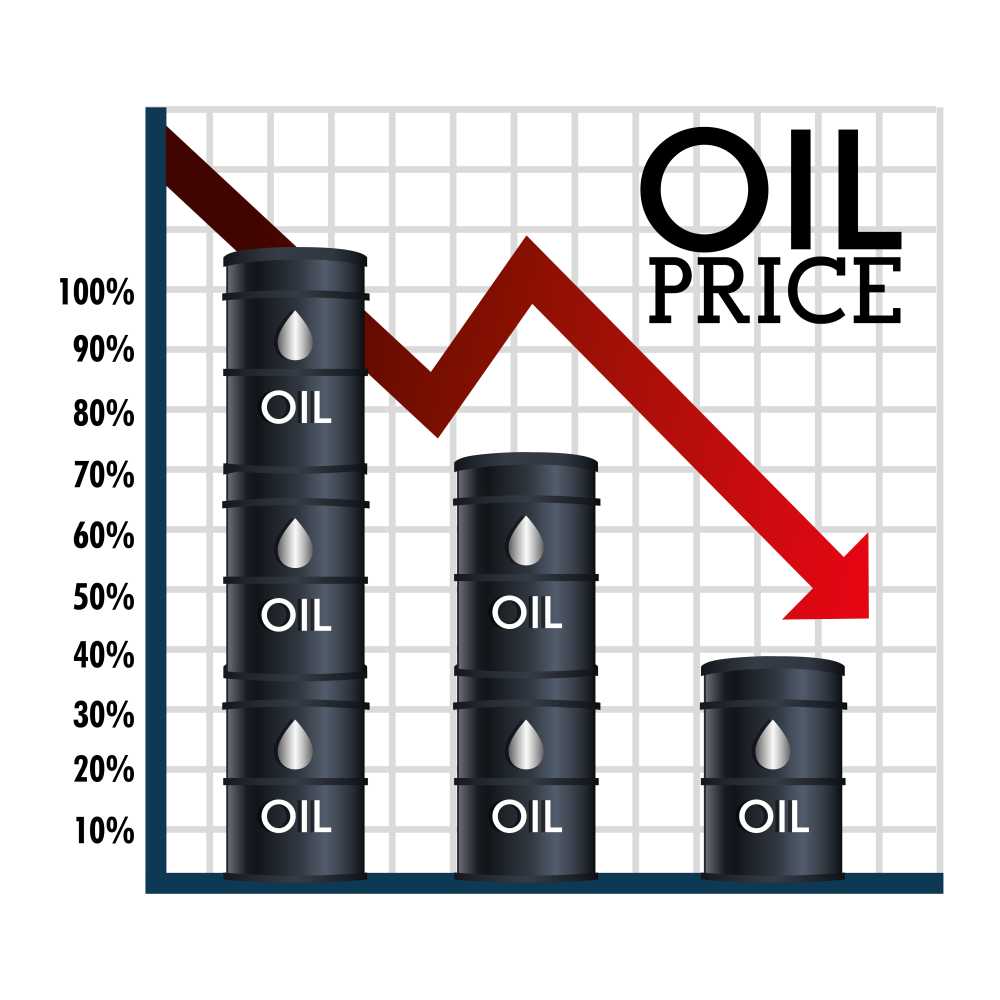
This geopolitical easing initially caused Brent crude oil prices to plummet by 11%, dropping to $97 a barrel, marking the first dip below $100 since late April. The decline in oil prices coincided with a reduction in wholesale gas prices, notably a 6.3% drop in the British June contract to 107.8p a therm, and buoyed airline stocks amid improved prospects for international travel. Earlier gains in crude oil had been fueled by recent Middle Eastern tensions, but the market reacted swiftly to reports suggesting the White House was nearing a one-page memorandum of understanding with Iran to end hostilities. These reports, citing US officials and other sources, highlighted potential frameworks for future nuclear discussions.
Despite the initial downturn, oil prices partially recovered, trading down 7.3% at $101.83 a barrel after Iran dismissed the US proposal as an “American wishlist” rather than an actionable plan. The Revolutionary Guards’ statement on the Strait of Hormuz expressed gratitude to maritime stakeholders for adhering to Iranian regulations during the blockade but remained vague about upcoming operational changes.
Amid these developments, European stock markets experienced a rally. The UK’s FTSE 100 index increased by 2%, France’s Cac 40 rose by 3%, and Germany’s Dax saw a 2.1% uptick. Additionally, MSCI’s All-Country World Index reached a new high with a 1.6% gain, paralleling similar achievements in its emerging markets index and the broad Asia Pacific shares index outside Japan, which advanced by 2.5%.