
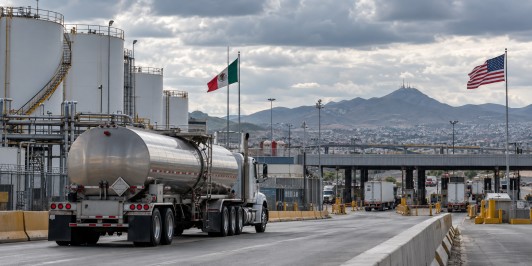
Amid a backdrop of escalating global energy prices, Mexico is grappling with potential disruptions to its diesel supply, following U.S. President Donald Trump’s endorsement of a proposal to limit or ban diesel exports from the United States. This development poses a significant risk to Mexico’s economy, which relies heavily on U.S. imports to meet over 40% of its diesel needs.
In June 2026, Mexico imported approximately 288,000 barrels of diesel daily from the U.S., based on data from American energy sources. An interruption in this supply could force Mexico to seek diesel from more distant sources, thereby increasing transportation costs and potentially impacting fuel prices, inflation, and various key industries such as transportation, agriculture, and mining.
The rising diesel prices in the U.S. are part of broader energy market disruptions linked to ongoing conflicts in the Middle East and Ukraine. In response to these challenges, Mexican President Claudia Sheinbaum has reassured the public of the nation’s sufficient domestic production capabilities. She emphasized the role of Mexico’s refinery network, including the Dos Bocas facility in Tabasco, in supporting domestic diesel production.
To mitigate the impact of volatile international energy costs, the Mexican government has implemented fuel subsidies and a voluntary price agreement with fuel retailers. These measures are aimed at cushioning diesel prices through tax incentives and additional governmental support.
Energy experts are advising Mexico to brace for potential disruptions by diversifying its diesel import sources, boosting domestic refining capacity, and enhancing fuel storage infrastructure. As Mexico navigates these uncertainties in U.S. energy policy and global fuel supplies, reducing dependency on its largest diesel supplier remains a priority.