
Colombia’s inflation rate has continued its upward trajectory, reaching 6.29% in September 2026, a slight increase from 6.24% the previous month. This marks the highest level of inflation since July 2024, indicating ongoing challenges in controlling the cost of living in the country. September alone saw consumer prices rise by 0.37%, contributing to a cumulative increase of 5.74% for the first nine months of the year, compared to 4.55% over the same period in 2025.
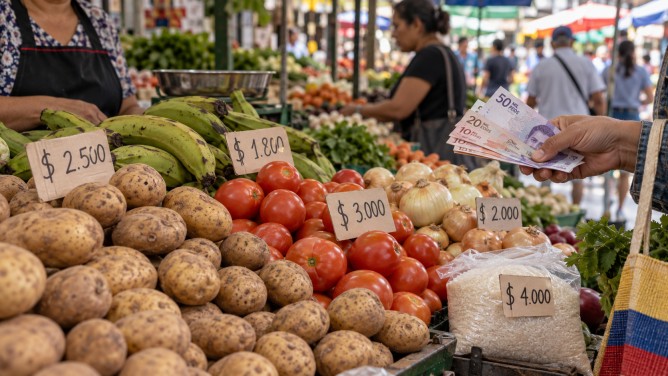
Food prices remain a significant driver of this inflationary trend. In September, food costs surged by 0.78% and were 6.74% higher than a year ago. Among these, potato prices experienced a dramatic hike, soaring 78% over the past year. The steep rise in food prices is attributed to adverse weather conditions and seasonal harvest cycles impacting agricultural supply. Additionally, education costs saw a notable increase of 1.43% in September, marking the category with the largest monthly hike.
In response to persistent inflationary pressures, Colombia’s central bank recently raised its benchmark interest rate to 12.25%. This decision reflects a broader concern that inflation is no longer confined to food and utilities but has spread across various sectors of the consumer basket. Some policymakers, however, argue that raising interest rates may have limited effectiveness in curbing price increases stemming from food, housing, and utility costs.
Despite the overall inflationary trend, there are signs of moderation in some areas. The inflation rate excluding food and regulated prices decreased from 6.27% to 6.18%, marking its first decline after six consecutive months of increases. However, economists remain cautious, anticipating that food prices will continue to exert significant inflationary pressure through the end of 2026.
As inflationary challenges persist, experts predict that Colombia’s inflation rate will remain above the central bank’s target by the year’s end. Policymakers are expected to closely monitor food prices, weather conditions, and broader price trends to inform future decisions on interest rates. The latest inflation figures are also expected to play a pivotal role in discussions regarding Colombia’s minimum wage for 2027, as rising living costs become a central factor in negotiations among workers, employers, and the government.