
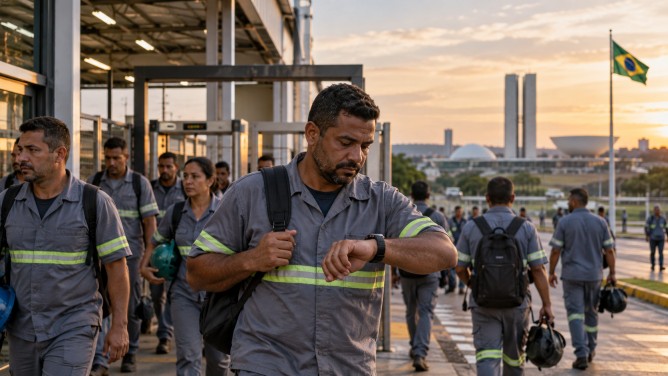
Brazil’s Congress has passed a constitutional amendment to reduce the maximum workweek from 44 to 40 hours, a move hailed as a significant achievement for President Luiz Inácio Lula da Silva ahead of the upcoming presidential runoff on October 25. The reform, which is expected to positively impact over 30 million workers, aims to decrease working hours and eliminate the six-day workweek, potentially improving work-life balance for numerous employees in sectors like retail, restaurants, and hotels.
The amendment, having already gained approval from the lower house in May, saw overwhelming support in the Senate with 75 senators in favor and only one against. The gradual implementation will see the workweek initially cut to 42 hours before settling at 40 hours over a 14-month period following a 60-day grace period after formal promulgation. This change is intended to provide workers more time for rest, family duties, and personal activities, aligning with Lula’s advocacy for enhanced quality of life for workers.
Lula has championed the reform, arguing it will allow workers more time with their families, potentially bolstering his electoral support among low-income workers who endure long hours and limited rest. Conversely, his opponent, far-right senator Flávio Bolsonaro, initially opposed the proposal due to concerns it might lead to higher unemployment rates. However, he shifted his stance before the Senate vote, acknowledging the strong public support for the reform.
The initiative originated from a grassroots campaign demanding a better balance between employment and personal life and was supported by Lula’s political party. Advocates of the reform argue that reducing working hours could improve both the physical and mental well-being of workers and offer them greater opportunities for education and family care.
Labor researchers have pointed out the challenges faced by workers who currently have only one day off each week, highlighting that such schedules can lead to exhaustion, workplace hazards, and limited social opportunities, particularly affecting women who often manage significant unpaid domestic responsibilities.
The timing of the reform is crucial as it arrives during an intense presidential election campaign, providing Lula with the opportunity to underscore advancements in workers’ rights and economic well-being as he competes against Bolsonaro. While the reform’s full effects will take time to materialize, it represents a pivotal step towards reshaping the work culture in Brazil.